The Serpentine Pavillion
Estudio Lanza’s pavilion installation begins directly with the two serpent narratives framing Serpentine Galleries
In Mesoamerica, the serpent is Quetzalcóatl — light, knowledge, movement, cosmology. In British legend, the serpent lies beneath Saint George — subdued, moralized, contained. And in English architecture, the serpent reappears again as structure: the crinkle-crankle wall, where curvature is not symbolic but intelligent. The wall uses fewer bricks, yet stands more firmly. Its undulation distributes force. It stores heat. It supports growth.
Estudio Lanza’s proposal brings these histories into proximity. Our installation responds by translating that dialogue into material.
Instead of representing the serpent, we construct around it.
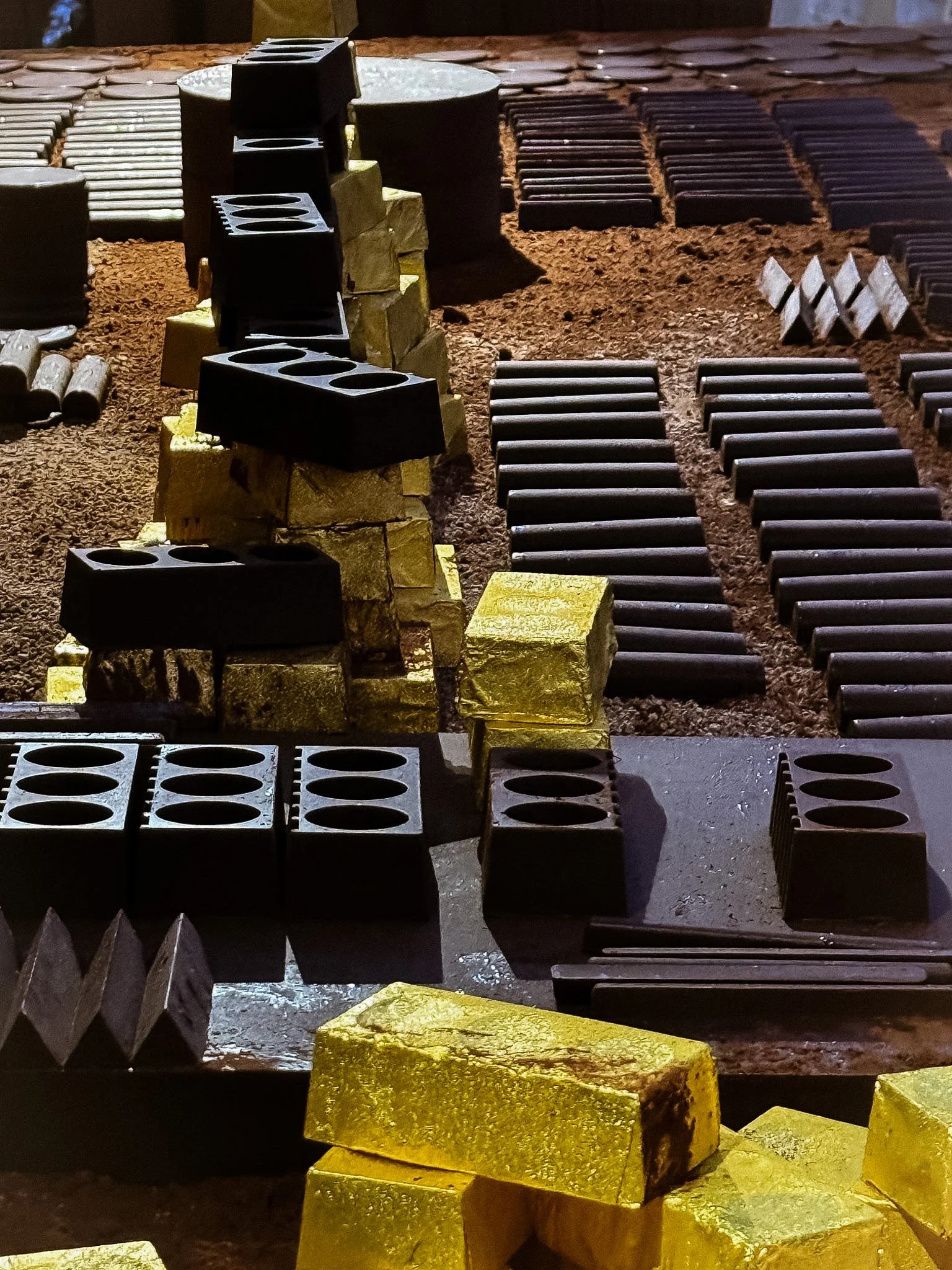
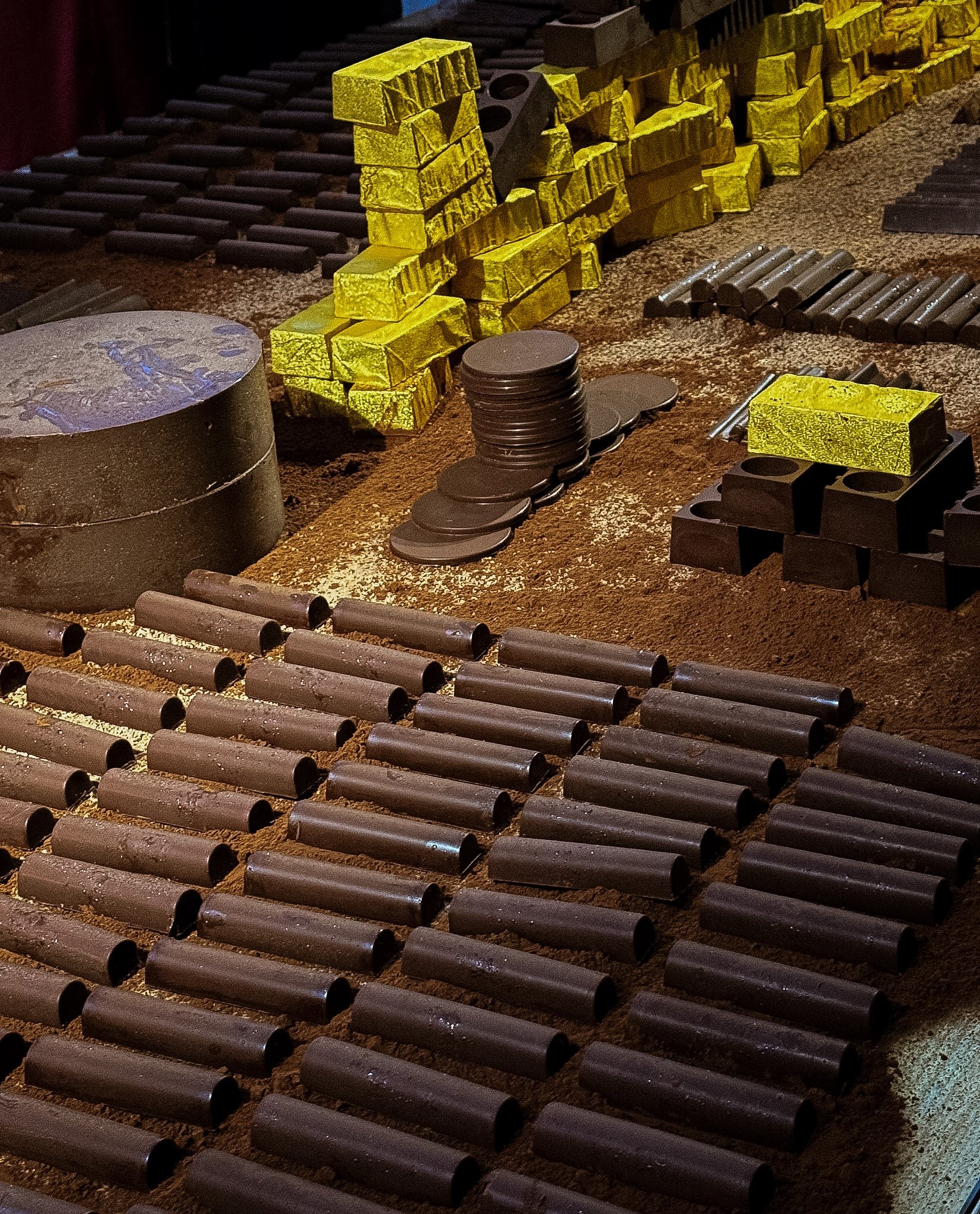
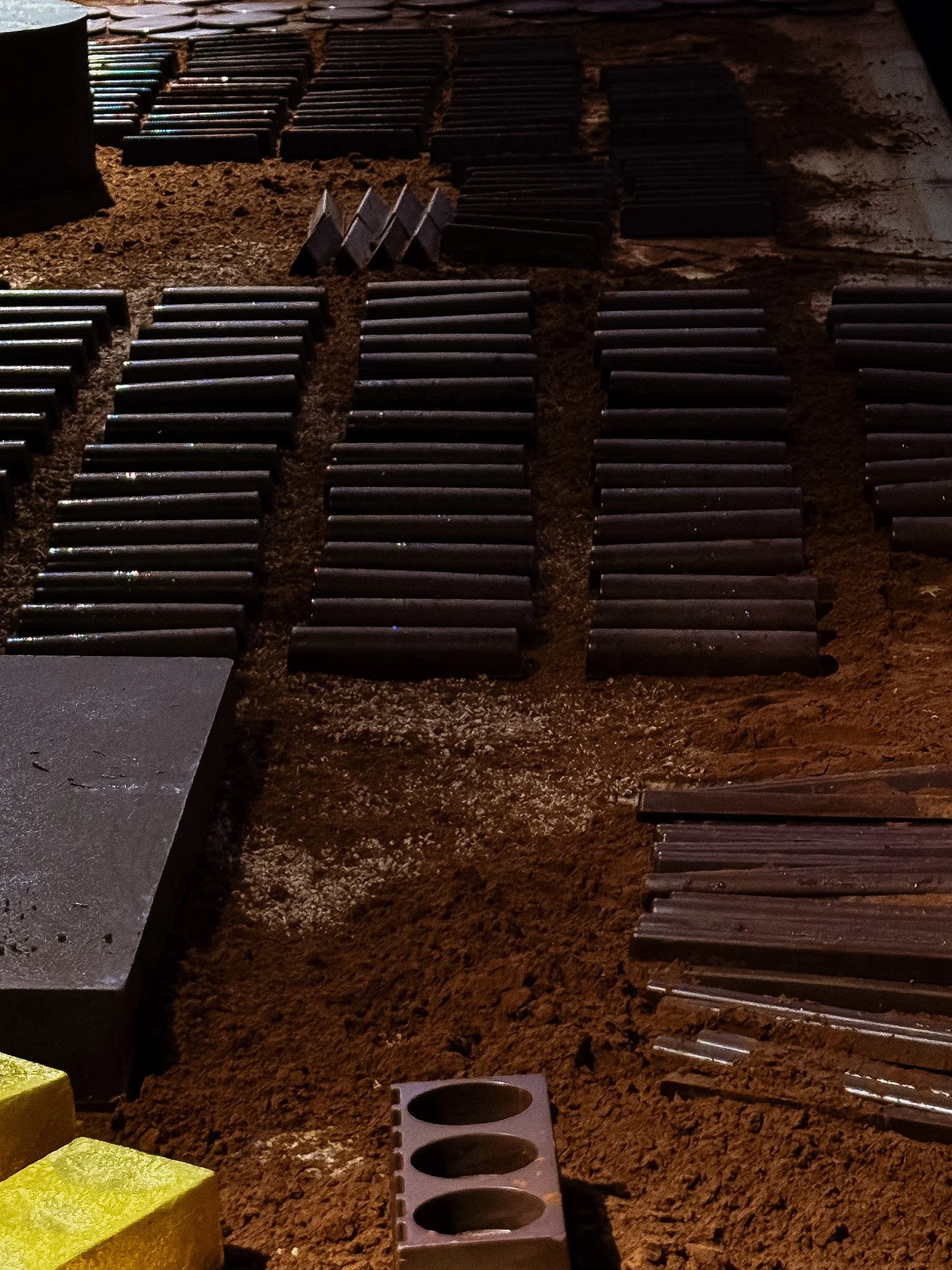
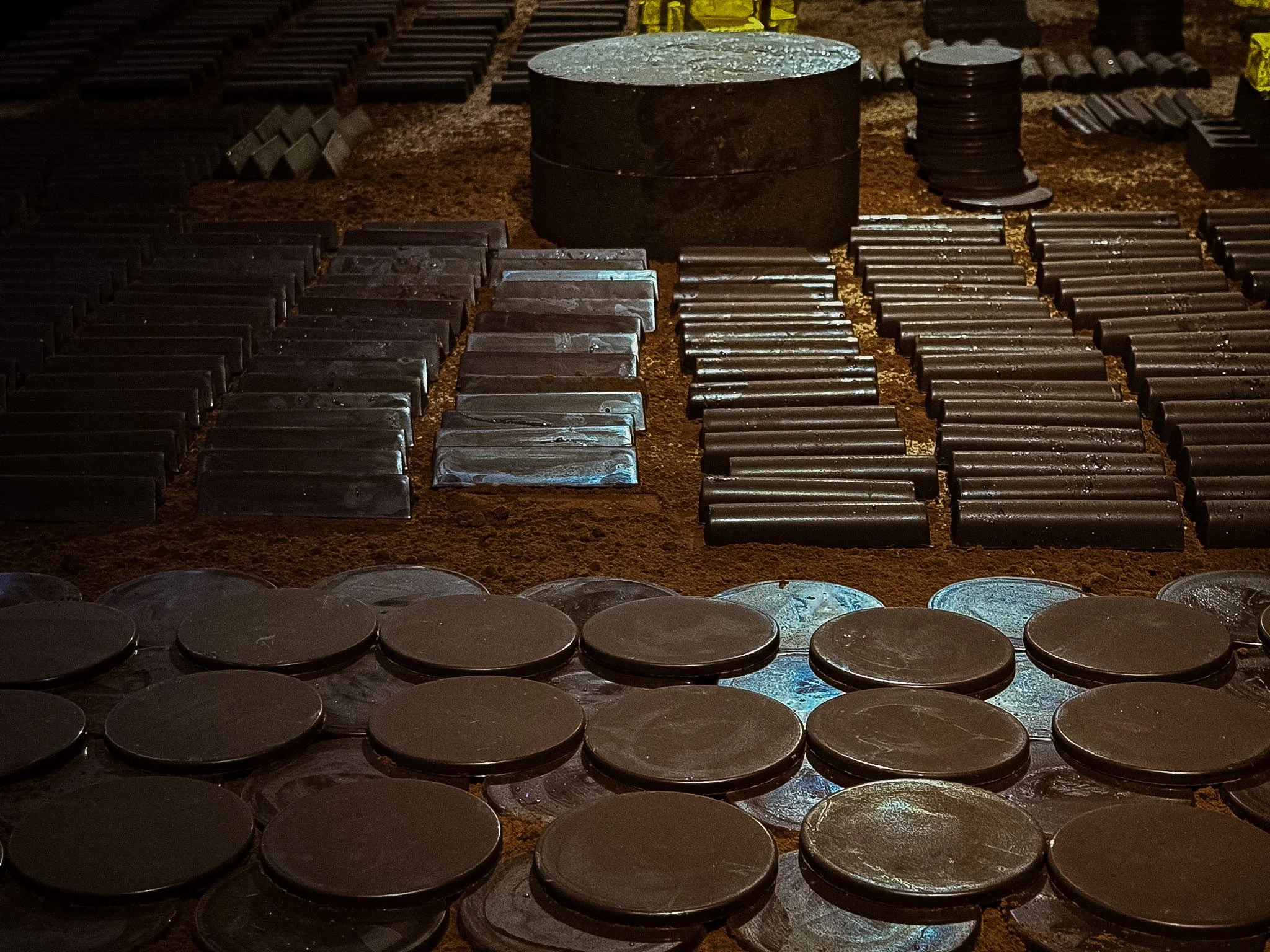
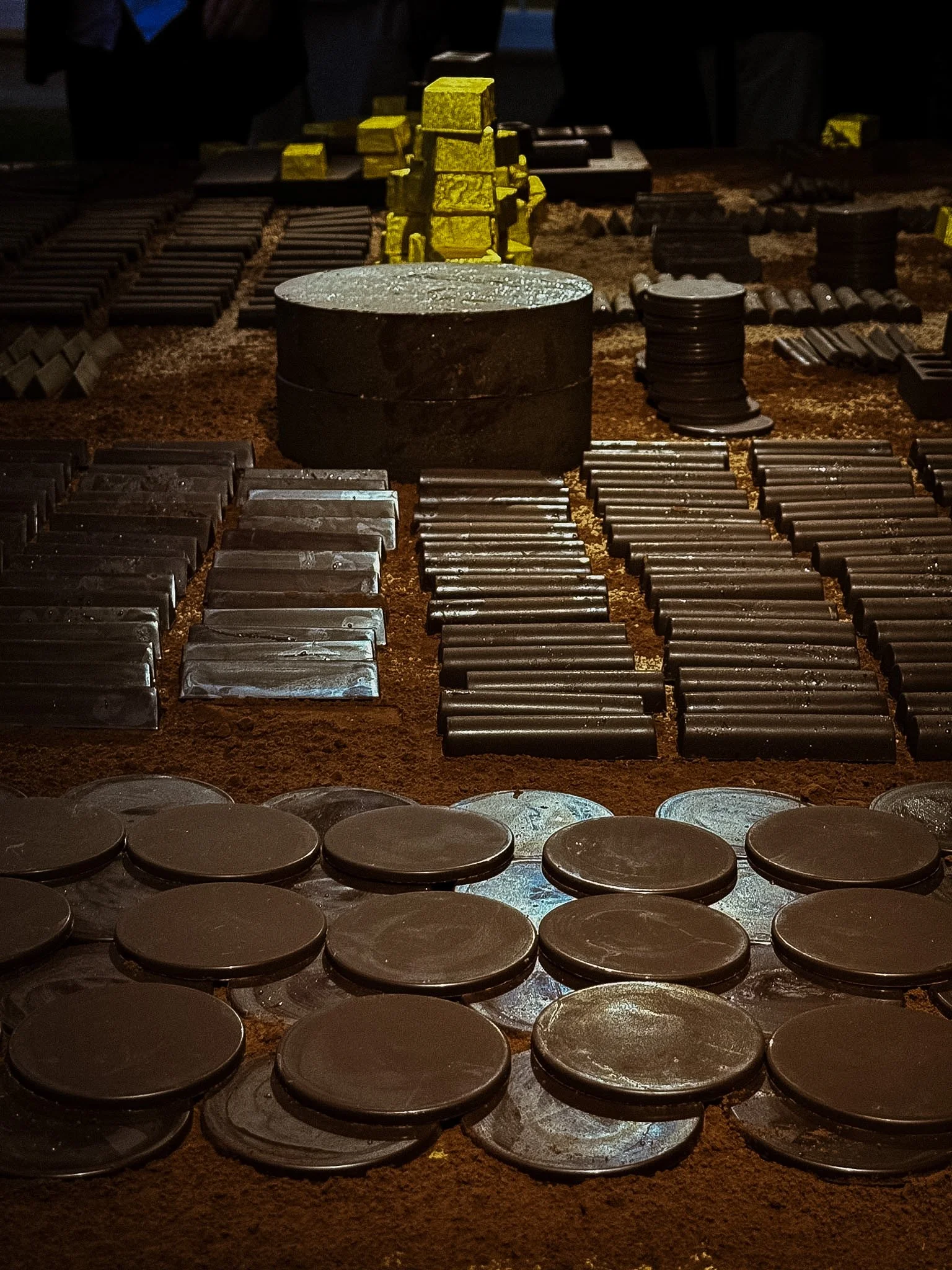
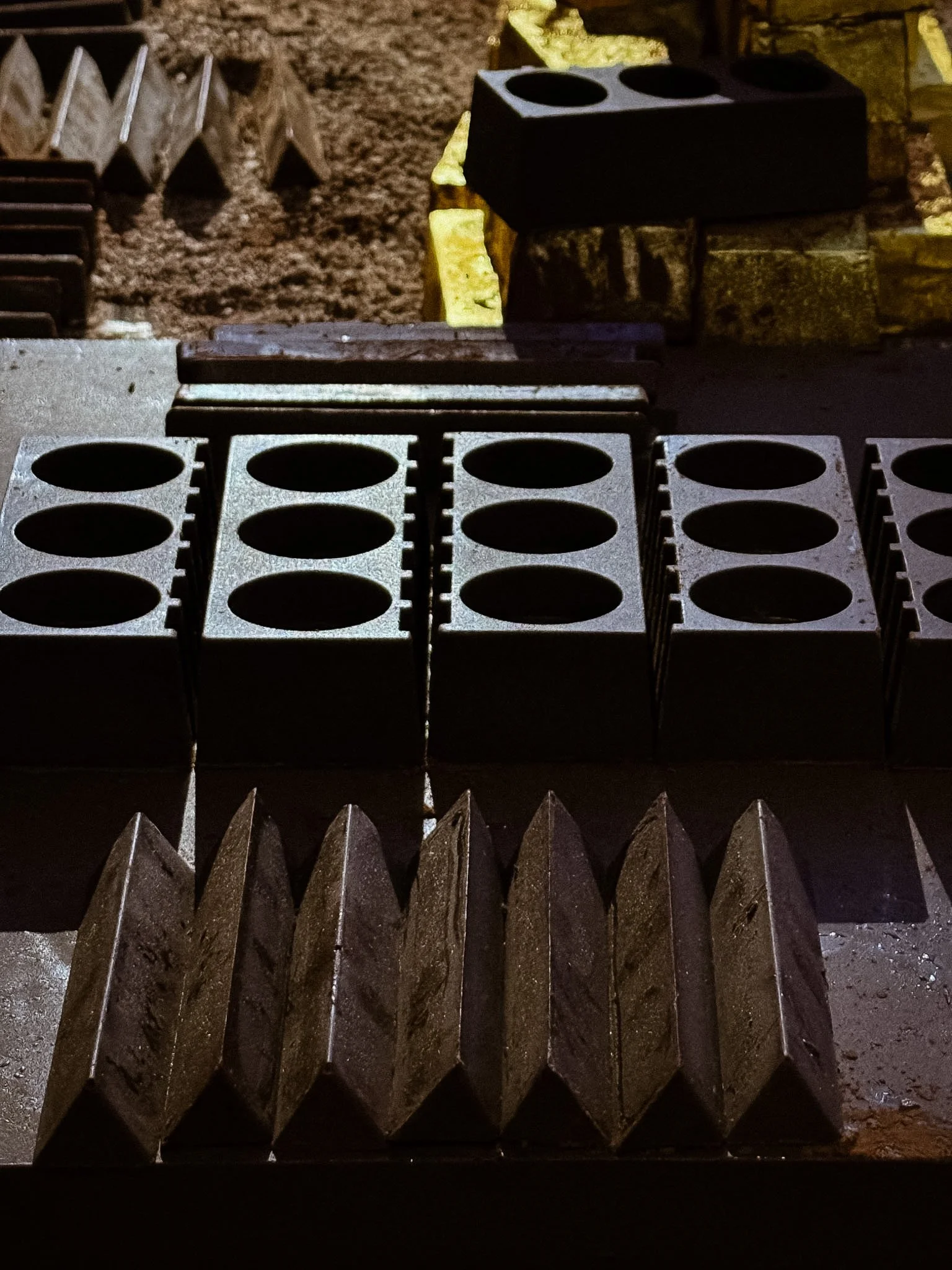
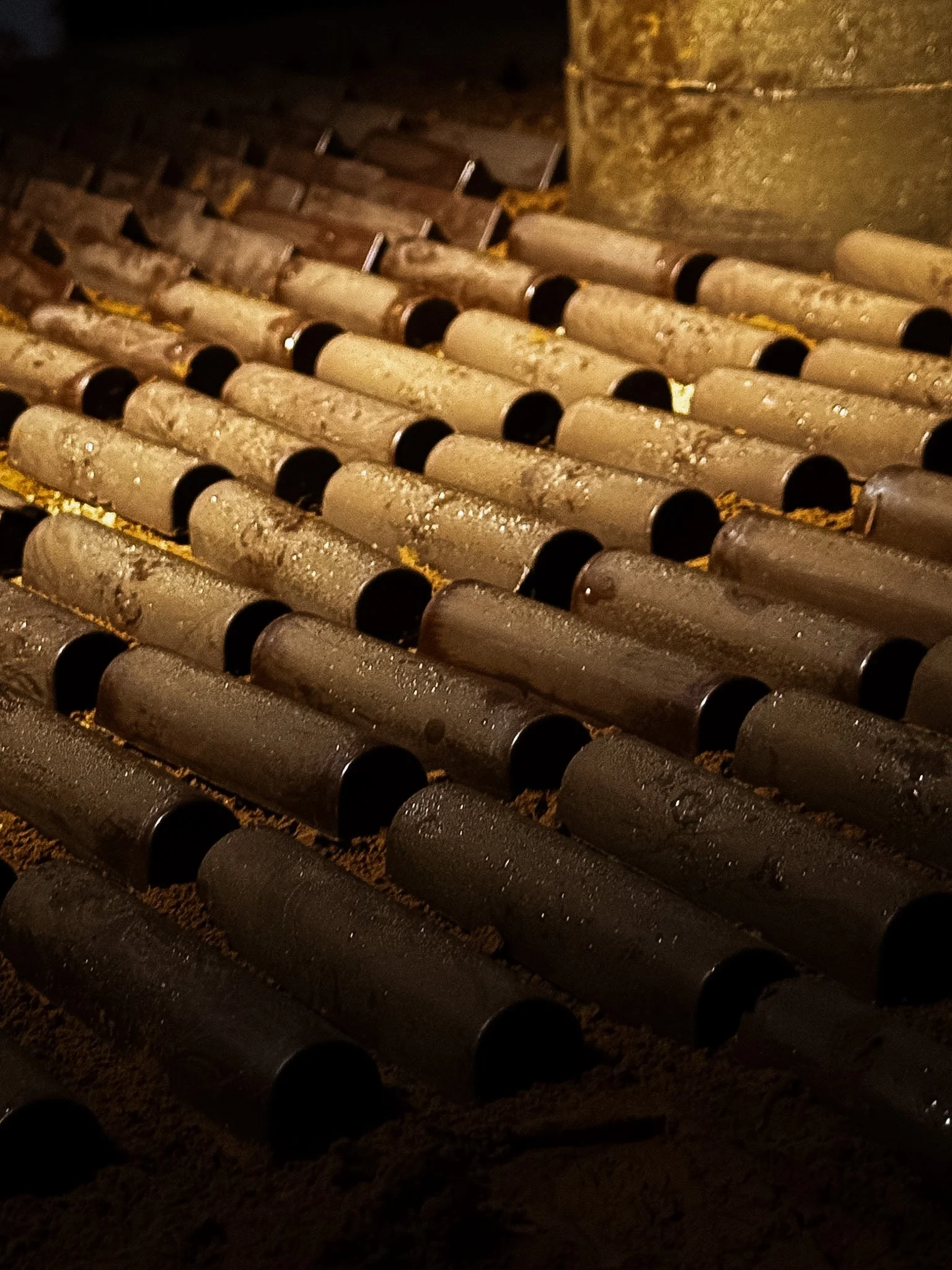
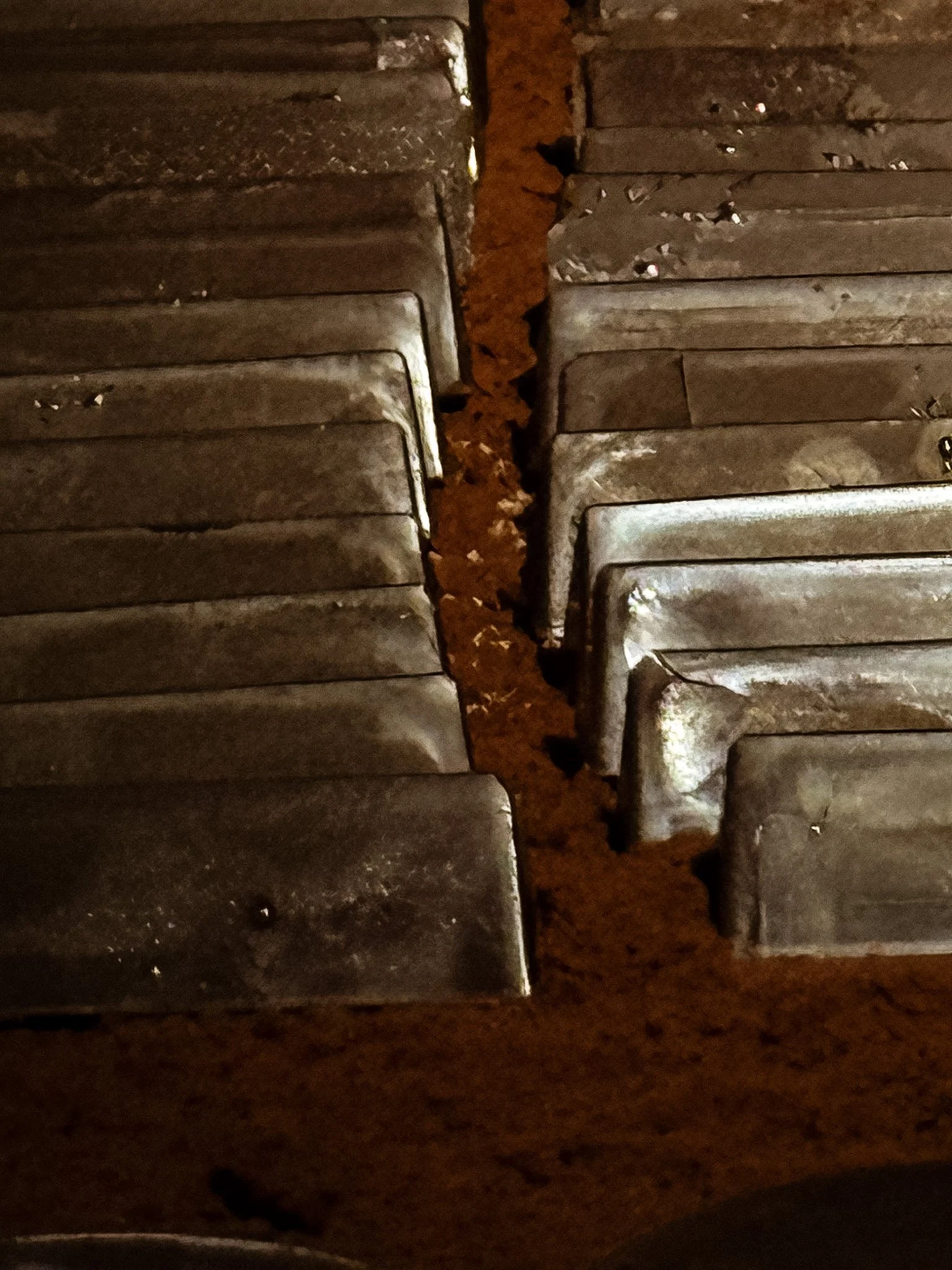
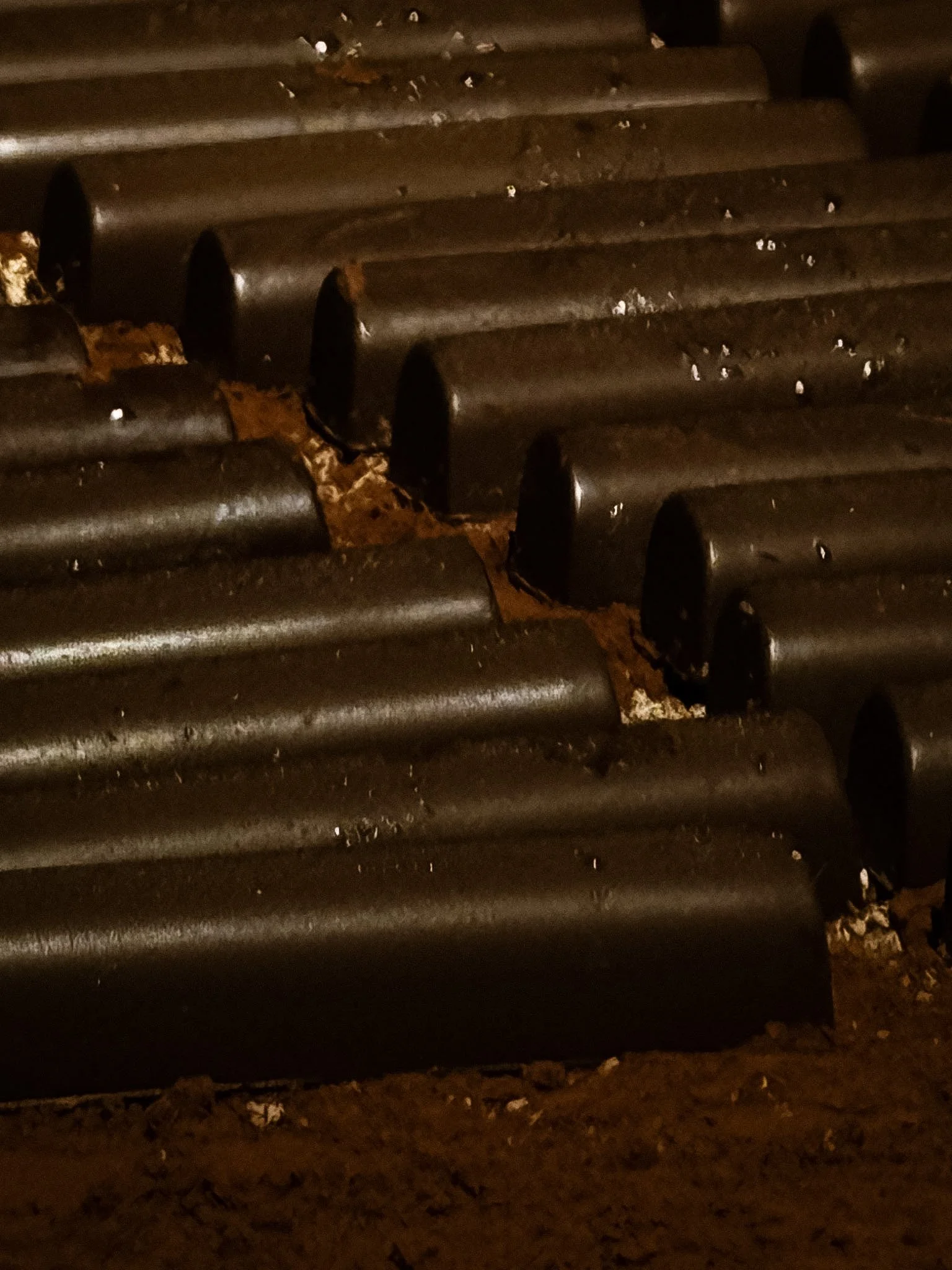
The work proposes a speculative city built entirely from cacao and chocolate — bricks, tiles, tubes, triangular bases — abstracted into architectural components. The ground is cacao powder, reading simultaneously as soil and as commodity. It is cultivation and extraction in one surface.
At the center of this city, a serpent-shaped void remains empty. Not conquered. Not filled. Not ornamental. The city organizes itself around absence. The serpent becomes spatial rather than figurative — closer to the structural logic of the serpentine wall than to mythic illustration.
If Estudio Lanza positions the serpent as cultural bridge, this installation positions it as architectural principle: curvature as resilience, emptiness as intelligence.
There is also a material reversal at play. Cacao, indigenous to Mesoamerica and historically transported outward through colonial trade, returns here as the substance of construction. A material once extracted becomes the means of building. Yet chocolate is unstable. It softens with heat. It shifts. Unlike brick, it cannot promise permanence.
The piece quietly echoes the spatial subtraction of Michael Heizer, the elemental clarity of Walter De Maria, and the earthen density of Delcy Morelos. But where those works insist on mass and duration, this city allows fragility.
The serpent, then, is not defeated and not defied. It is structural logic. It is the curve that allows less material to stand. And it is the empty space that organizes the city around it.